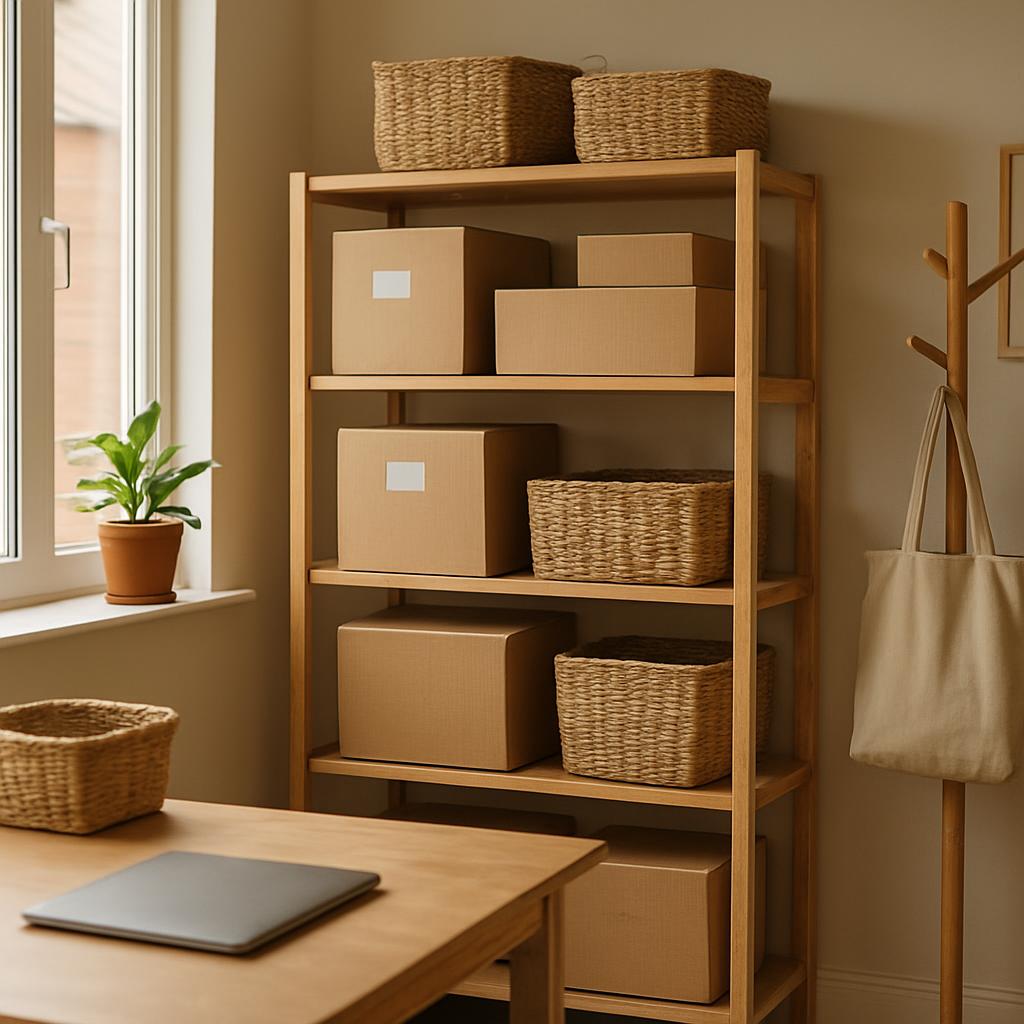
How Westoe Businesses Store Smarter
Find Out More →Walk past The Stag's Head on Ocean Road on a quiet Tuesday afternoon, and you'd never guess how much stock, seasonal décor, and equipment ends up tucked away somewhere off-site. But that's exactly how local businesses in Westoe manage space—and they've got the system down to something homeowners rarely think about. The difference isn't complicated. It's just deliberate.
Small businesses here handle Self Storage like a working tool, not an emergency measure. They know what goes in, they know why, and they rotate it in and out on a schedule. Homeowners, on the other hand, often use a unit more like a black hole—stuff gets shoved in, the door closes, and nobody thinks about it again until moving day. There's actually a lot you can borrow from how local businesses approach it.
Why Businesses Treat Storage Like Inventory
The key difference is simple: businesses track what's in storage. They label boxes, note what season items belong to, and maintain a rough system for what lives where inside the unit. They do this because they need access—they're pulling seasonal stock, rotating stock, pulling archived records. It's not optional.
Homeowners rarely feel that pressure, so things get forgotten. A box of Christmas decorations gets buried three rows back, winter sports gear never gets retrieved because you forget it's even there. Read more here on the common mistakes people make with how they organise their units, but the short version is: if you can't find something, you're not really storing it—you're just paying to hide it.
The business approach works differently. Even a small café or retail operation using a unit knows that disorganisation costs time and money. A few minutes spent labelling, photographing contents, and keeping a simple spreadsheet pays for itself the moment you need something fast.
How Often Should You Actually Access Your Storage?
Here's where the business model reveals something useful: good storage doesn't sit stagnant. Seasonal businesses—and there are quite a few around Westoe—use their units actively. Stock rotates in before summer, out after. Decorations cycle. Archives shift.
Most homeowners, though, rent a unit and then treat it like it's supposed to solve their problem permanently. They shove things in and expect never to think about it again. But that's not really how storage works well. The businesses that use Self Storage efficiently plan for regular access, which is why they choose locations convenient to their operation. They pick units sized realistically—not 'a bit bigger just in case' but what they actually need—and understand what drives the cost so they're not paying for space they're not using.
Think about what you're actually storing. Is it seasonal? Do you need it regularly, or once a year? Will you need to pull items out in six months? That answer changes what size makes sense and how often you should realistically visit the unit.
The Rotation System That Saves Money
Here's the practical thing local businesses do that homeowners almost never consider: they rotate. A business storing seasonal items pulls them out, uses them, cleans them if needed, and puts them back. They're not sitting for years gathering dust. And because they're thinking about it this way, they're more honest about what actually needs to stay.
This is worth copying. Before you rent a unit, ask yourself: what's the real timeline? Will this item leave the unit within a year? Is there a season or event that triggers retrieval? If the answer is 'no, it'll probably just sit there,' then maybe that item doesn't need Self Storage—it needs a different solution, or it needs to go.
Businesses do this ruthlessly. They can't afford to waste storage on things they don't use. Homeowners often can afford it, which is exactly why they do waste it. Find out more about how local residents are using storage more effectively, but the pattern is clear: the people getting real value are the ones with a reason to open the door.
What This Means for Your Own Setup
You don't need to run your bedroom like a warehouse, but borrowing a couple of habits from how local businesses approach storage will change what you get out of it. Label things clearly. Keep a rough list—even just on your phone—of what's in there. Plan for actual retrieval, not permanent burial. Pick a unit size that matches your real needs, not your anxiety about needing more space later.
And be honest about the rotation timeline. If you're storing things 'just in case' with no real plan to use them, that's the point to pause and ask whether Self Storage is actually the right tool, or whether those items should be dealt with differently.
If you've got a clear use case—seasonal items, a genuine need for overflow, stock or equipment that cycles in and out—then Self Storage Westoe is worth exploring. The businesses using it successfully are doing exactly that: they're clear about what, why, and when. That clarity is what separates smart storage from expensive clutter management.
Ready to set up your unit the right way? Get in touch with Self Storage Westoe and we'll help you figure out what size and access level actually matches how you'll use it.
Looking for Self Storage near Westoe?
We have secure, flexible units available in the area. Get in touch with Self Storage Westoe today.
Find Out More →